- posted: Feb. 20, 2025
Hyperpigmentation is a common skin concern that can leave you feeling frustrated. Whether it’s caused by sun exposure, acne scars, or hormonal changes, dark spots can be stubborn and difficult to treat. One treatment that’s effective for hyperpigmentation is microneedling. But how effective is it for hyperpigmentation? Let’s explore the science behind microneedling and whether it could be the right solution for you. Dr. Damon McClain, Dr. Susannah Berke, Leah Greco, PA-C, and Molly McIntyre, PA-C, at Three Rivers Dermatology in Coraopolis, Pittsburgh, PA, offer comprehensive dermatology services, including microneedling.
What Is Microneedling?
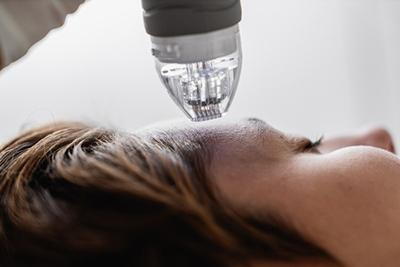
Microneedling, or collagen induction therapy, is a minimally invasive cosmetic procedure designed to rejuvenate the skin. It involves using a device equipped with fine, sterile needles to create tiny, controlled micro-injuries on the skin’s surface. While this might sound intimidating, these micro-injuries are beneficial. They stimulate the skin’s natural healing process, encouraging collagen and elastin production.
Think of it as a way to “reset” your skin, promoting cell turnover and improving overall texture and tone.
How Does Microneedling Address Hyperpigmentation?
Hyperpigmentation happens when excess melanin is produced in some skin regions, leading to dark spots or patches. Microneedling can help reduce the appearance of hyperpigmentation by stimulating skin renewal, encouraging the shedding of old, damaged cells, and replacing them with fresh, healthy ones. This process can gradually fade dark spots and even out skin tone.
What to Expect During and After the Procedure
During a microneedling session, our dermatologist uses a specialized device to treat your skin. The procedure typically lasts 30–60 minutes, and while you may feel a slight prickling sensation, numbing cream is often applied to minimize discomfort.
After the treatment, your skin may appear red and feel sensitive for a day or two, similar to a mild sunburn. It’s important to follow aftercare instructions to protect your healing skin, which usually include using gentle skincare products and applying sunscreen.
Is Microneedling Right for You?
Microneedling can be highly effective for many individuals, but it’s not suitable for everyone. Those with darker skin tones should consult a dermatologist to avoid potential complications, such as post-inflammatory hyperpigmentation (PIH). Similarly, if you have active acne, eczema, or other inflammatory skin conditions, you may need to wait until your skin has stabilized before undergoing treatment.
Contact Us Today
If you’re in the Pittsburgh, PA, area, the team at Three Rivers Dermatology in Coraopolis offers expert care for microneedling and other dermatological treatments. Dr. Damon McClain, Dr. Susannah Berke, Leah Greco, PA-C, and Molly McIntyre, PA-C, are highly experienced in tailoring treatments to meet individual skin needs. You can reach their office at (412) 262-4911 to schedule a consultation.
- posted: Feb. 20, 2025
Hyperpigmentation is a common skin concern that can leave you feeling frustrated. Whether it’s caused by sun exposure, acne scars, or hormonal changes, dark spots can be stubborn and difficult to treat. One treatment that’s effective for hyperpigmentation is microneedling. But how effective is it for hyperpigmentation? Let’s explore the science behind microneedling and whether it could be the right solution for you. Dr. Damon McClain, Dr. Susannah Berke, Leah Greco, PA-C, and Molly McIntyre, PA-C, at Three Rivers Dermatology in Coraopolis, Pittsburgh, PA, offer comprehensive dermatology services, including microneedling.
What Is Microneedling?
Microneedling, or collagen induction therapy, is a minimally invasive cosmetic procedure designed to rejuvenate the skin. It involves using a device equipped with fine, sterile needles to create tiny, controlled micro-injuries on the skin’s surface. While this might sound intimidating, these micro-injuries are beneficial. They stimulate the skin’s natural healing process, encouraging collagen and elastin production.
Think of it as a way to “reset” your skin, promoting cell turnover and improving overall texture and tone.
How Does Microneedling Address Hyperpigmentation?
Hyperpigmentation happens when excess melanin is produced in some skin regions, leading to dark spots or patches. Microneedling can help reduce the appearance of hyperpigmentation by stimulating skin renewal, encouraging the shedding of old, damaged cells, and replacing them with fresh, healthy ones. This process can gradually fade dark spots and even out skin tone.
What to Expect During and After the Procedure
During a microneedling session, our dermatologist uses a specialized device to treat your skin. The procedure typically lasts 30–60 minutes, and while you may feel a slight prickling sensation, numbing cream is often applied to minimize discomfort.
After the treatment, your skin may appear red and feel sensitive for a day or two, similar to a mild sunburn. It’s important to follow aftercare instructions to protect your healing skin, which usually include using gentle skincare products and applying sunscreen.
Is Microneedling Right for You?
Microneedling can be highly effective for many individuals, but it’s not suitable for everyone. Those with darker skin tones should consult a dermatologist to avoid potential complications, such as post-inflammatory hyperpigmentation (PIH). Similarly, if you have active acne, eczema, or other inflammatory skin conditions, you may need to wait until your skin has stabilized before undergoing treatment.
Contact Us Today
If you’re in the Pittsburgh, PA, area, the team at Three Rivers Dermatology in Coraopolis offers expert care for microneedling and other dermatological treatments. Dr. Damon McClain, Dr. Susannah Berke, Leah Greco, PA-C, and Molly McIntyre, PA-C, are highly experienced in tailoring treatments to meet individual skin needs. You can reach their office at (412) 262-4911 to schedule a consultation.